what is the end product of fat metabolism Fat metabolism: fat digestion, absorption & assimilation
As we all know, maintaining a healthy metabolism is essential for overall well-being. And one of the key components of a healthy metabolism is proper digestion and assimilation of fats and proteins. Let’s start by exploring the process of fat metabolism. When we consume fats, they are first broken down in the mouth and stomach by enzymes called lipases. These lipases break down the fats into smaller molecules called fatty acids and glycerol, which can then be absorbed by the small intestine. Once absorbed, these fatty acids and glycerol molecules travel through the bloodstream to be used as a source of energy by the body. In order to be used as energy, the fatty acids are broken down further through a process called beta-oxidation, which takes place in the mitochondria of the cells. It’s important to note that not all fats are created equal. Saturated and trans fats, commonly found in processed foods and fried foods, can be difficult for our bodies to metabolize and can lead to negative health effects such as cardiovascular disease. Unsaturated fats, on the other hand, found in foods such as nuts and avocado, are easier for our bodies to metabolize and can provide numerous health benefits. Now, let’s move on to protein metabolism. Proteins are essential building blocks for our bodies and are made up of smaller molecules called amino acids. When we consume protein, it goes through a process of digestion and assimilation similar to that of fats. Enzymes in the stomach and small intestine break down the proteins into amino acids, which are then absorbed into the bloodstream and transported to the cells in need of repair and growth. Once the amino acids arrive at their destination, they are again broken down and reassembled into new proteins. It’s important to consume a variety of protein sources to ensure that our bodies are receiving all of the essential amino acids needed for optimal health. In conclusion, understanding the process of fat and protein metabolism can help us make informed decisions about our eating habits. Choosing healthy sources of fats and proteins, such as unsaturated fats and lean proteins, can support a healthy metabolism and overall well-being.
If you are searching about What You Should Know About Metabolism you’ve visit to the right place. We have 5 Pics about What You Should Know About Metabolism like What You Should Know About Metabolism, PPT - FAT METABOLISM PowerPoint Presentation, free download - ID:5328221 and also Lipid Metabolism · Anatomy and Physiology. Here you go:
What You Should Know About Metabolism
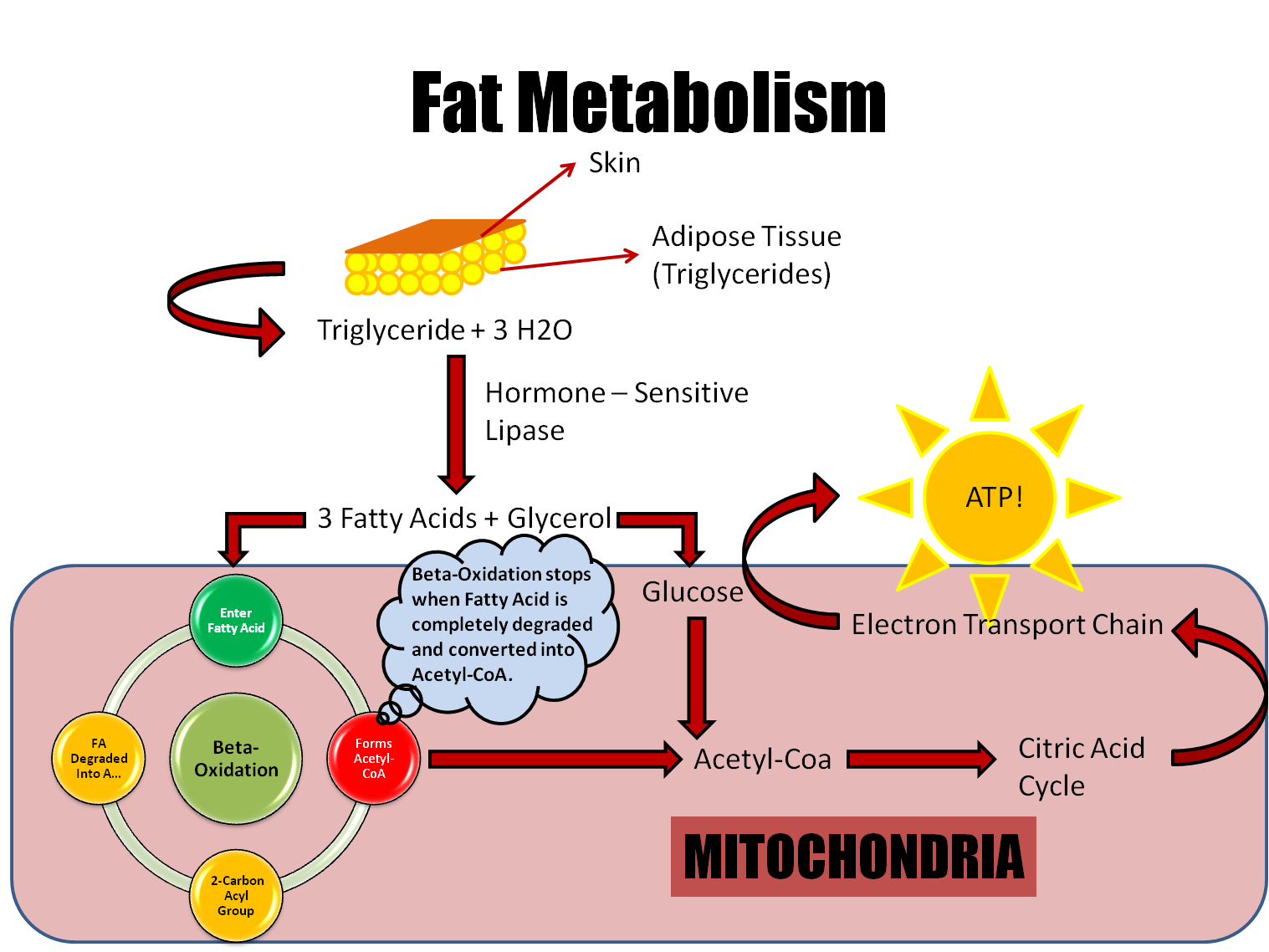 aprilseventheblog.blogspot.comfat energy metabolism vitamins soluble nutrition absorb storage ppt helping forming vital organs cushion protective providing insulation reserve around structure
Lipid Metabolism · Anatomy And Physiology
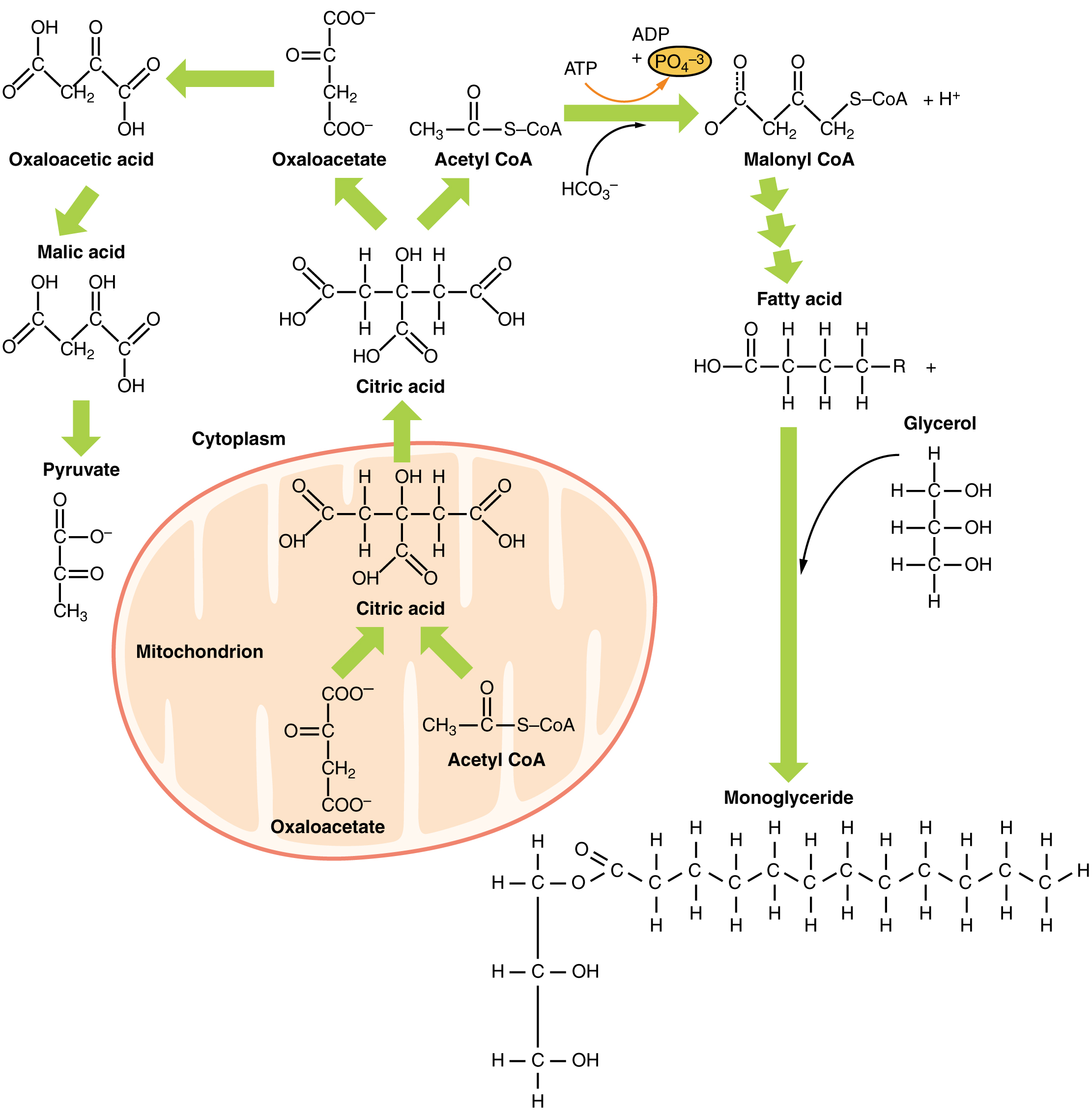 philschatz.comlipid metabolism lipids liver fatty pathways glycerol acids enzymes role metabolic acid body chapter during functions physiology figure lipogenesis chemistry
Fat Metabolism: Fat Digestion, Absorption & Assimilation
 healthy-ojas.comfat metabolism digestion absorption lipid liver assimilation synthesized pile acid recycling lipoproteins ojas cholesterol healthy
PROTEIN METABOLISM
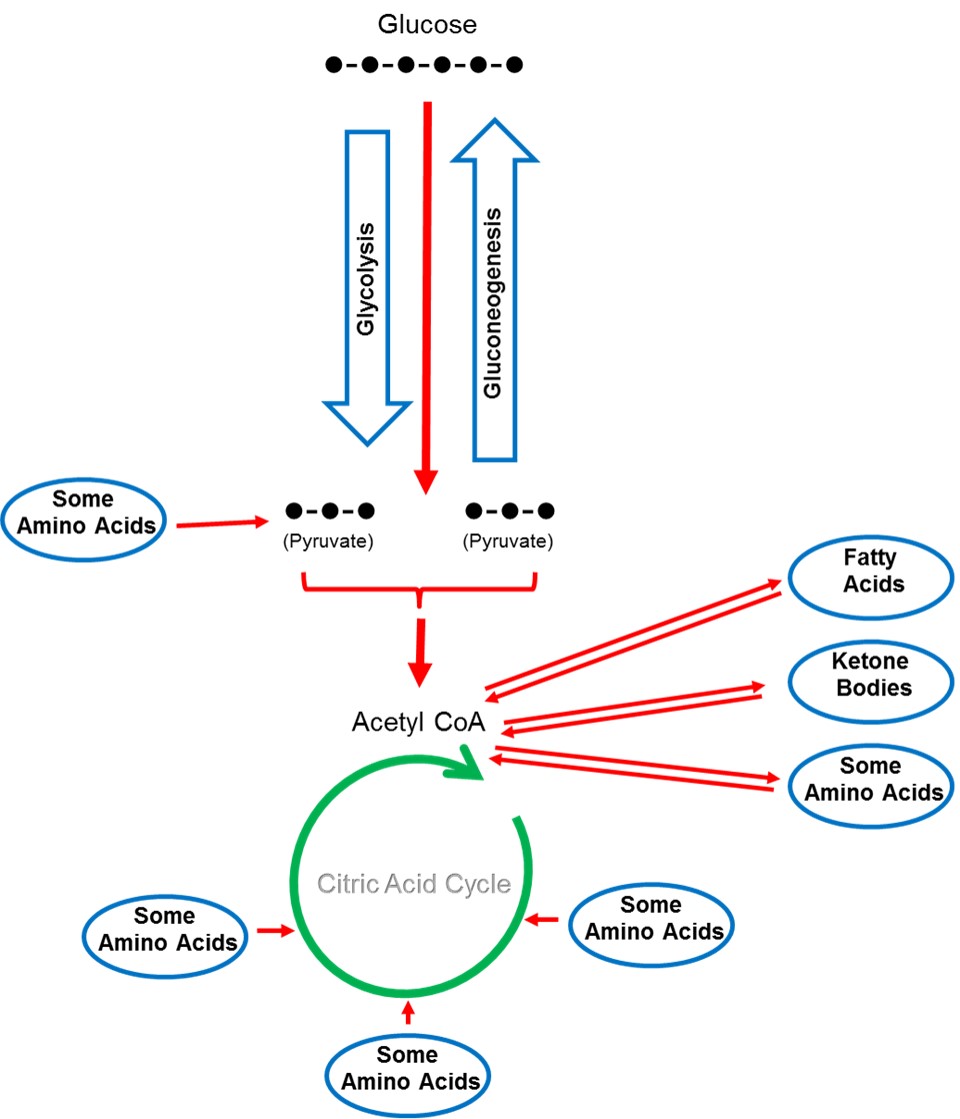 content.byui.eduprotein metabolism metabolic acids amino fatty proteins when f2013 js idaho byu created body
PPT - FAT METABOLISM PowerPoint Presentation, Free Download - ID:5328221
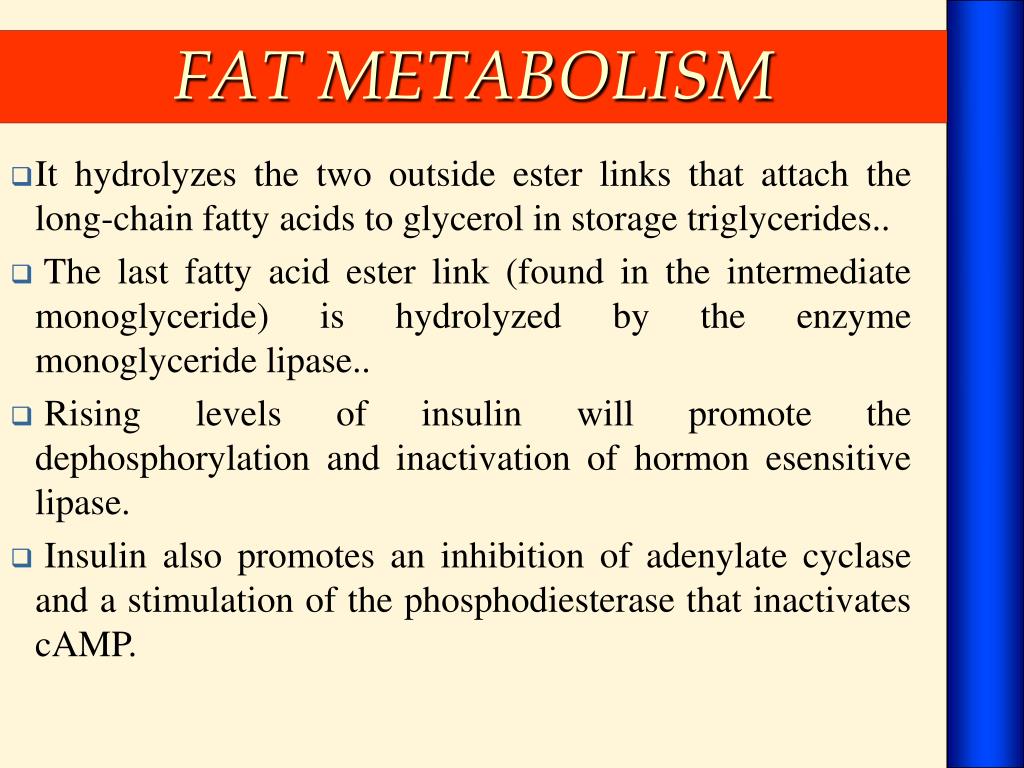 www.slideserve.comfat metabolism presentation ppt powerpoint slideserve
Protein metabolism. What you should know about metabolism. Fat metabolism presentation ppt powerpoint slideserve